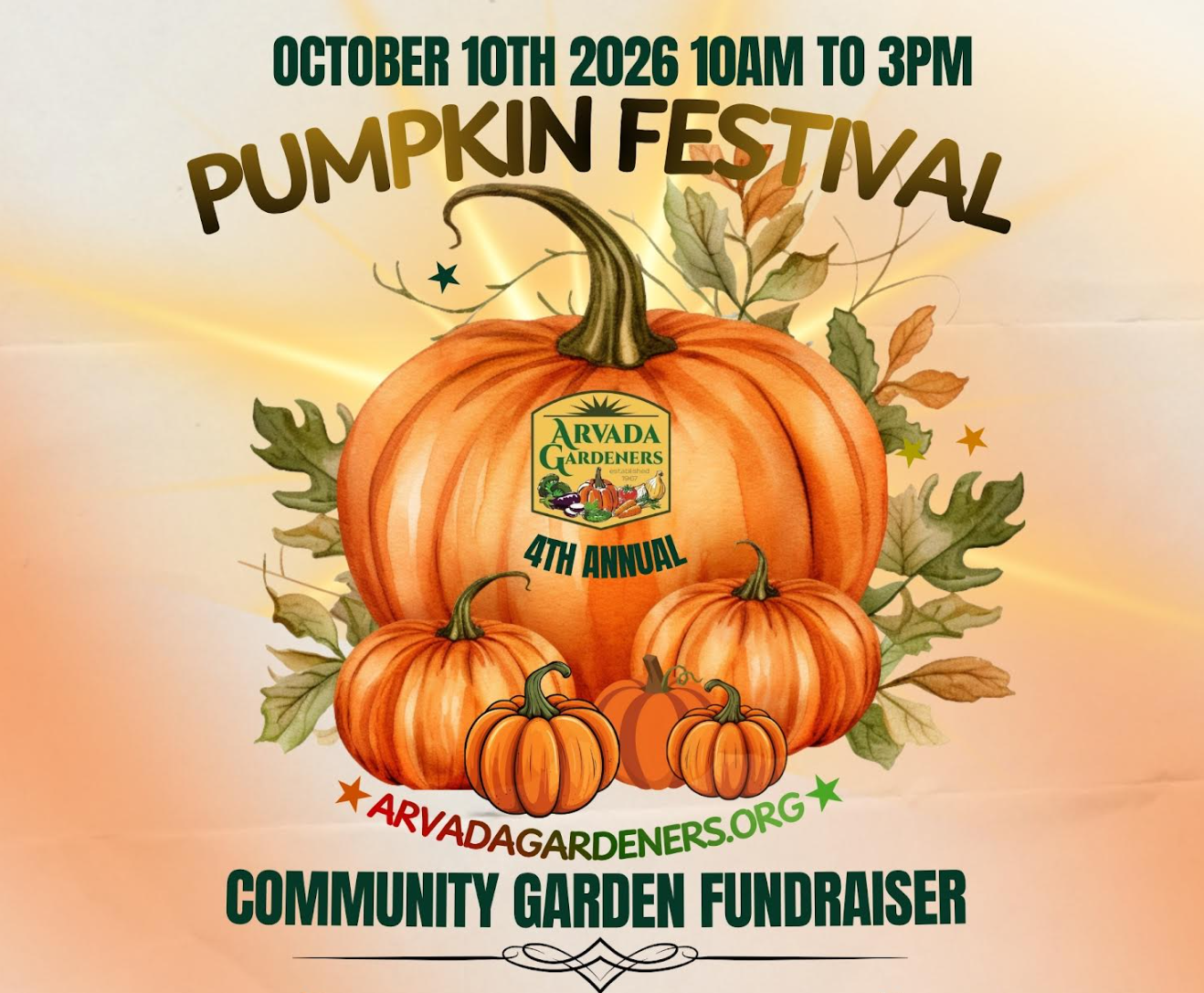
Pumpkin Festival
Join us for the 4th Annual Pumpkin Festival and community garden fundraiser hosted by Arvada Gardeners on October 10th, 2026, from 10:00 AM to 3:00 PM at 9195 W 57th Ave, Arvada, CO 80002. Enjoy free parking, garden tours, kids' games and crafts, hot cider, a giant pumpkin and flower raffle, and the giant pumpkin and giant squash contests at 2:30 PM. Stop by to browse our U-pick pumpkin patch, mini-pumpkins, gourds, cornstalks, mums, baby poinsettia starts, seed packets, and local artist and vendor booths!
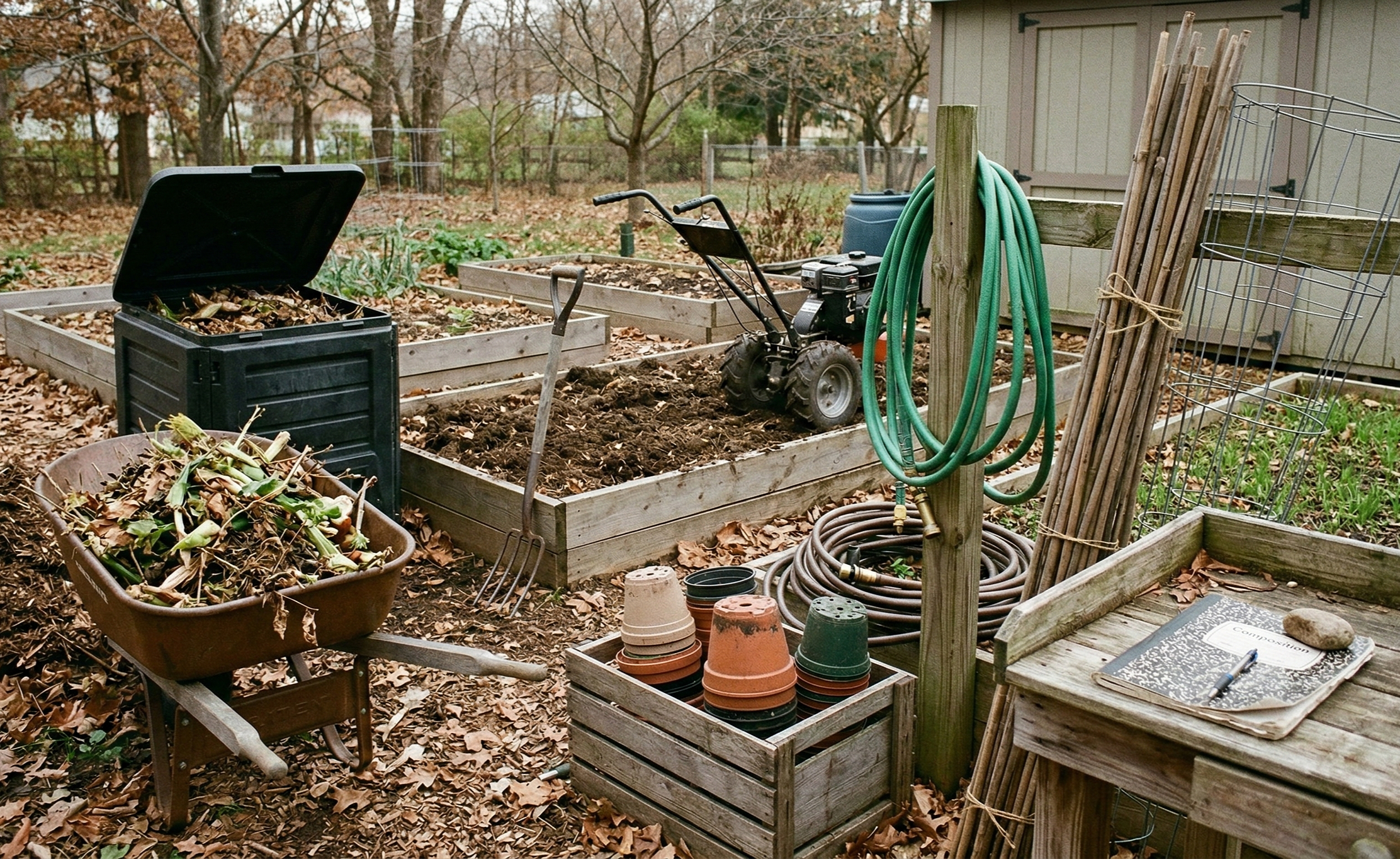
Putting Your Garden to Bed
Learn what you need to close down your garden for the season including removing plant materials, mulching, soil turnover, composting, cleaning containers and tools, storing hoses, stakes and cages, rototilling in dead materials, cover crops, making notes, etc. Bill Orchard CMG & AG
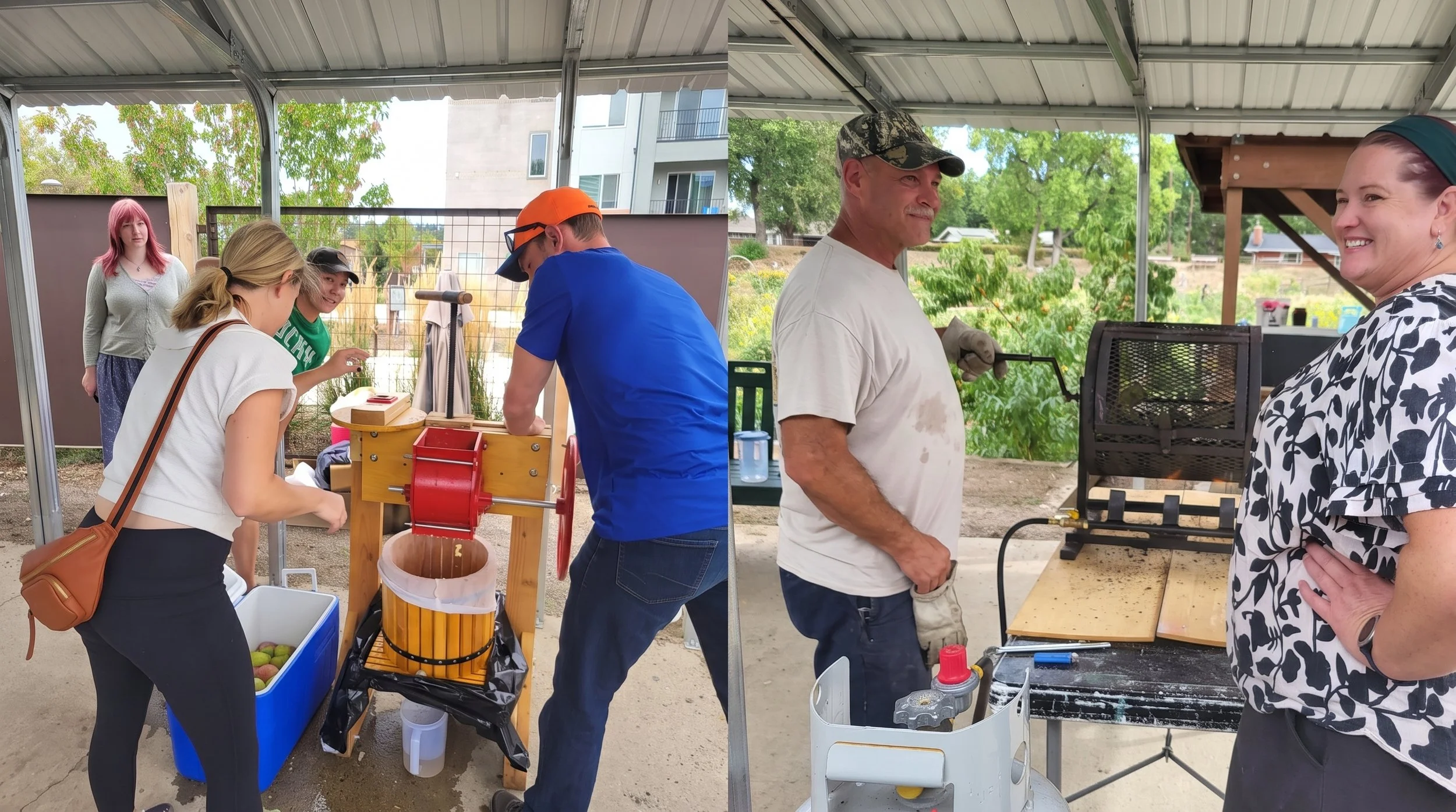
Chili Roasting and Apple Pressing
Celebrate the harvest season with us! Bring your garden bounty to the Arvada Community Garden for an afternoon of roasting and pressing. This event is 100% free and open to the community.
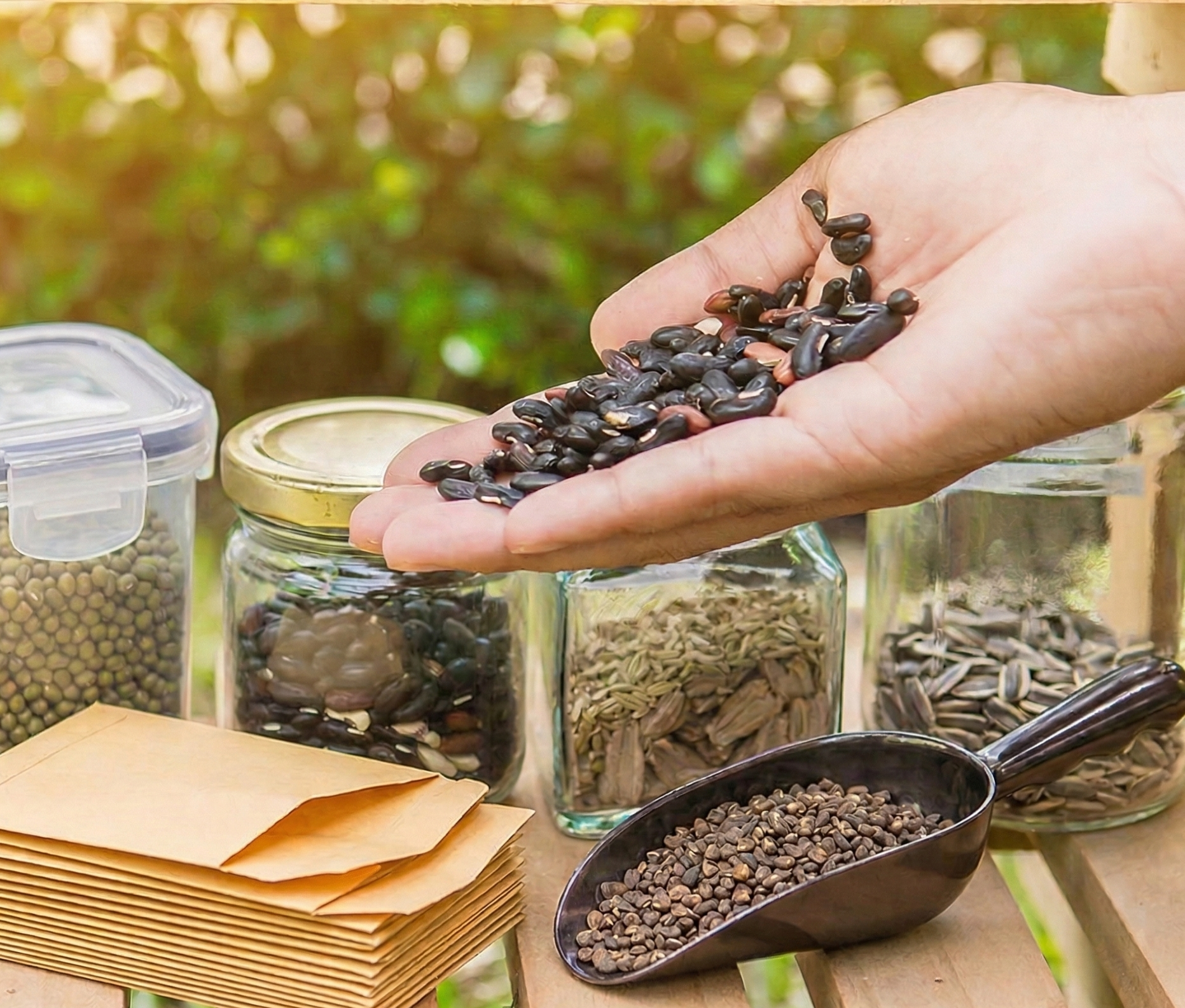
Seed Saving
Let’s learn the basics of seed saving! Before store bought seed packets communities came together to share seeds saved from years past, keeping alive plants specifically adapted to local growing conditions.
Learn the difference between hybrid seeds and heirloom varieties, which seeds are easiest to save, when seeds are ready for collecting and drying, and proper cleaning and storage techniques.
To wrap things up we’ll discuss what a seed library is, as well as tour the Arvada Community Garden Seed Library. Together we’ll explore the importance and value of seeds!
Garden Myths
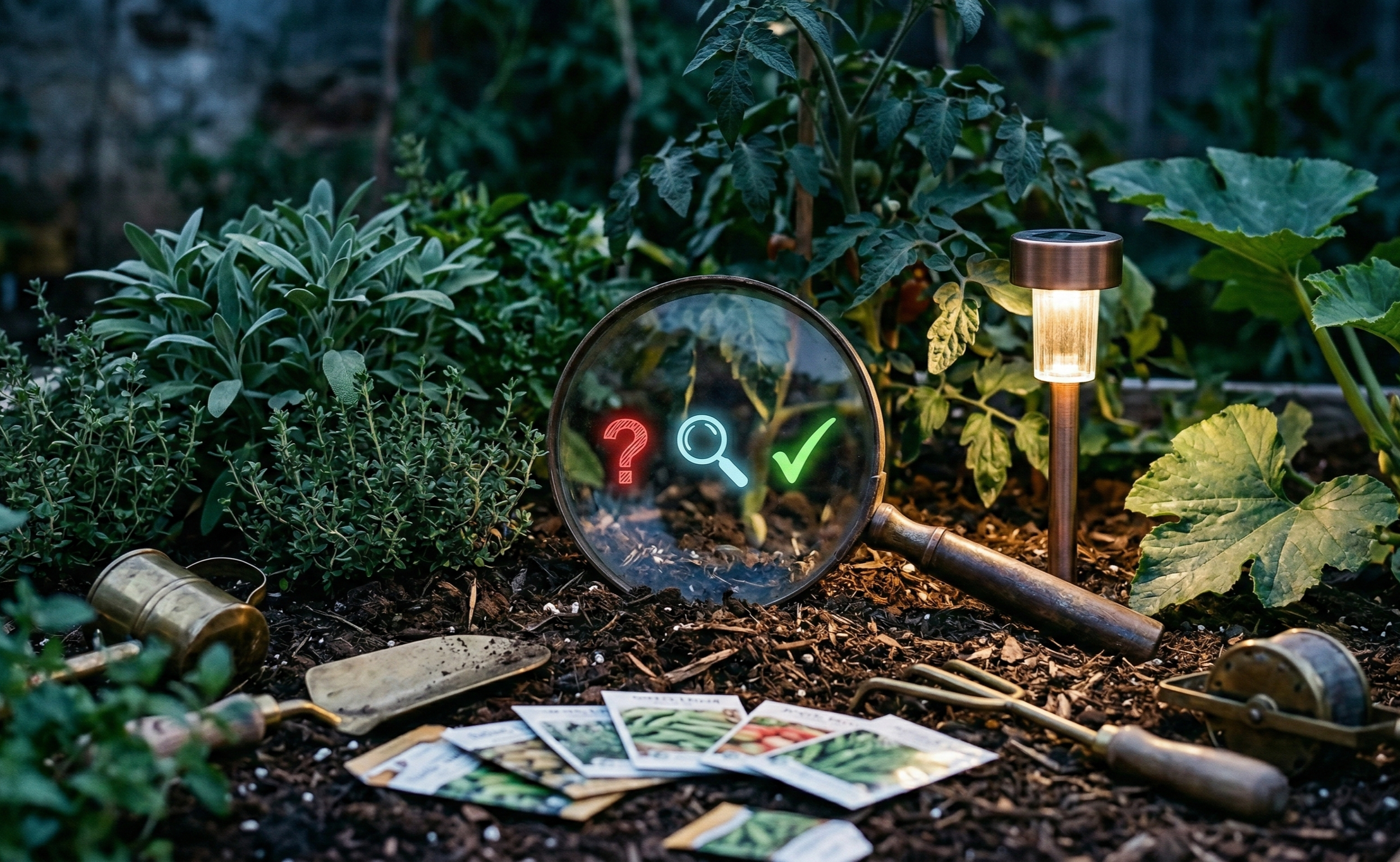
Learn about 34 common garden myths related to growing your vegetables, taking care of trees, working your Colorado soils, using pesticides and adding fertilizers, purchases for your lawn and landscaping and how to water your yard, garden and landscape. What’s true, what isn’t, what’s a myth. Bill Orchard CMG & ACG
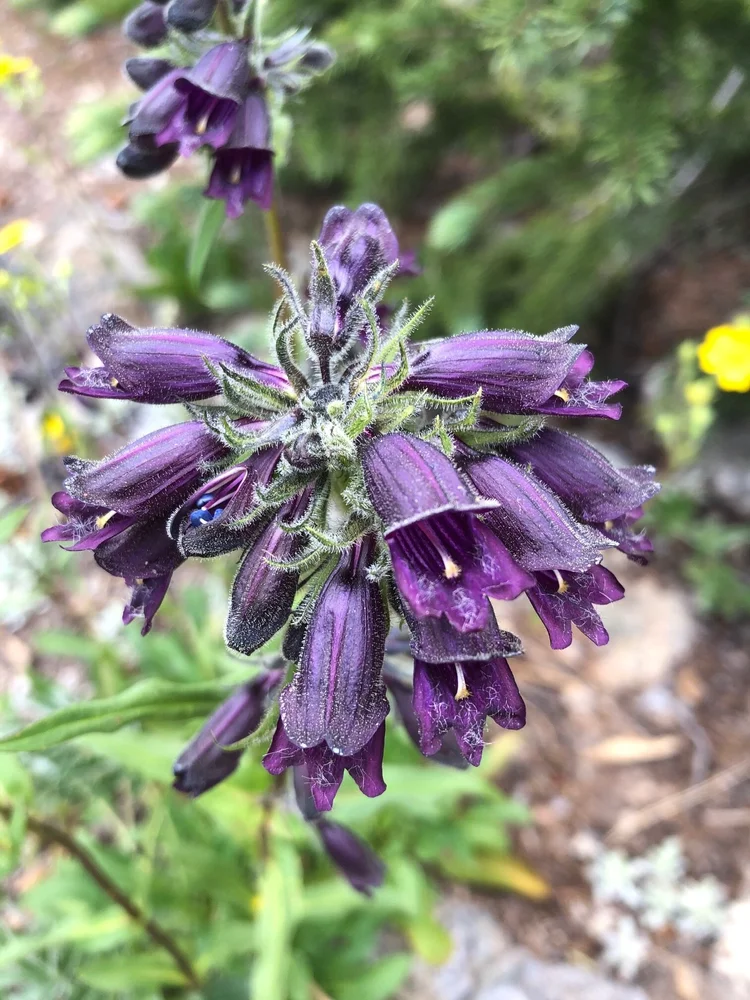
Wildflowers of Colorado: An Evolutionary Perspective
The amazing flora of Colorado stretches from prairies to high alpine peaks. Each plant we encounter often has interesting characteristics.
Gardening with Children
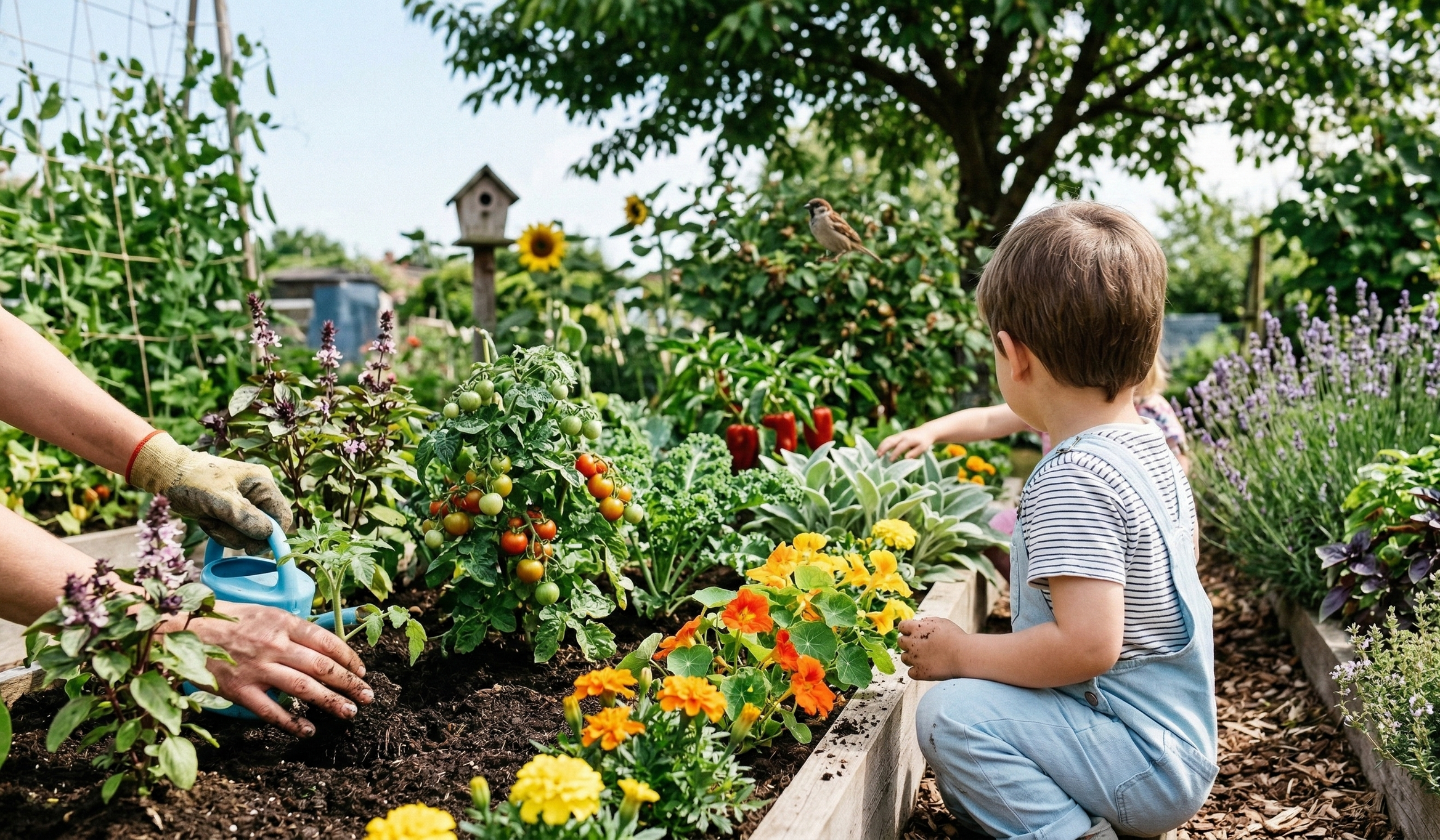
Children love plants! Some of the safest plants to have in your garden are herbs and vegetables since the most enticing parts are edible.
Learn about some less recognized edible plants as well as those that bring great appeal to the senses - scents, colors, shade, textures, and the sounds of birds. Amy Johnson
Preserving the Harvest
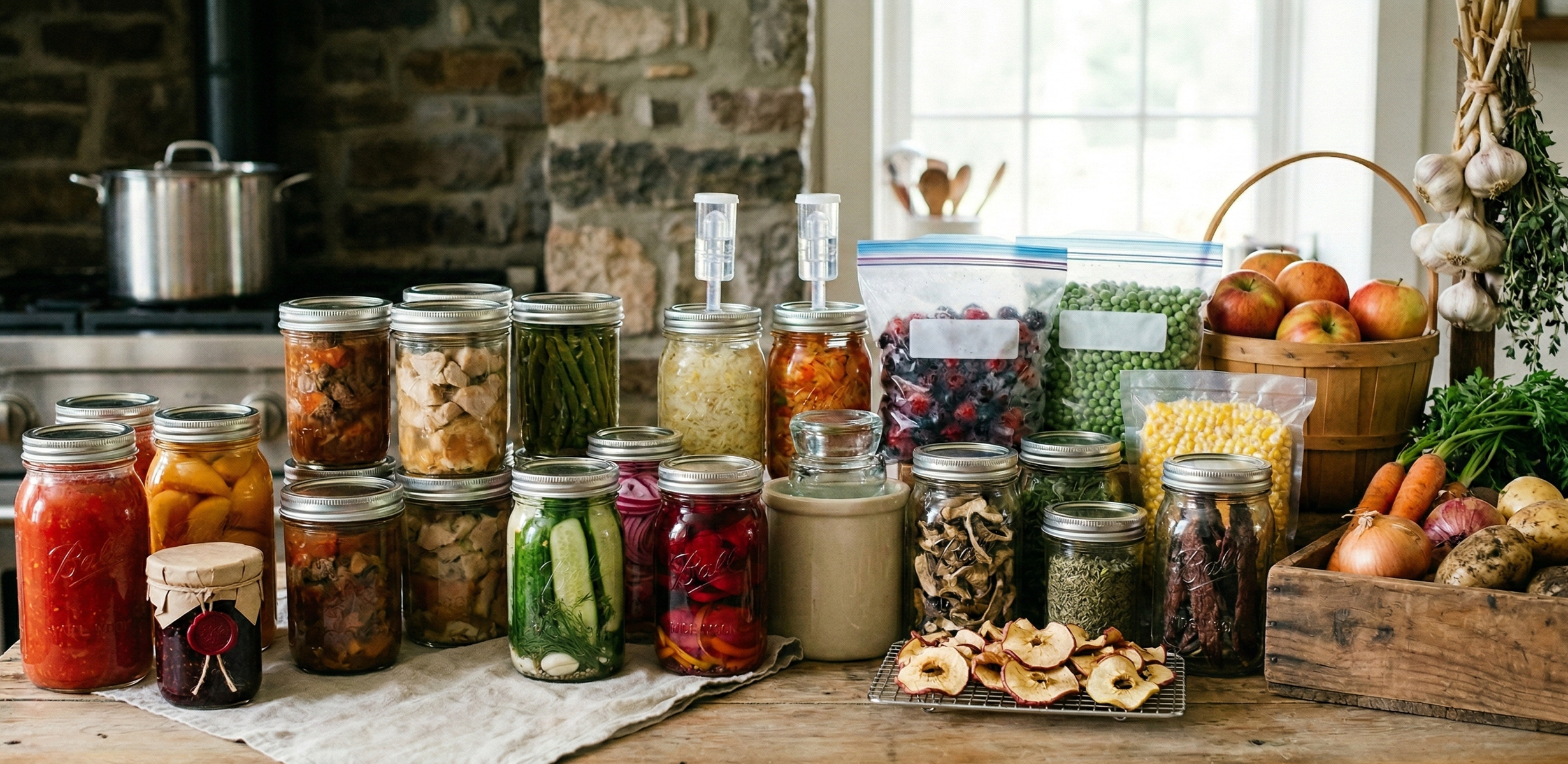
A class which will give you an basic introduction into the many different ways of preserving the summer harvest including: water bath canning, pressure canning, dehydrating, freezing, pickling, fermenting and fresh storage. The class will let you know what method is best for what vegetable or fruit. John Baltich and Sally Berriman CMG & AG
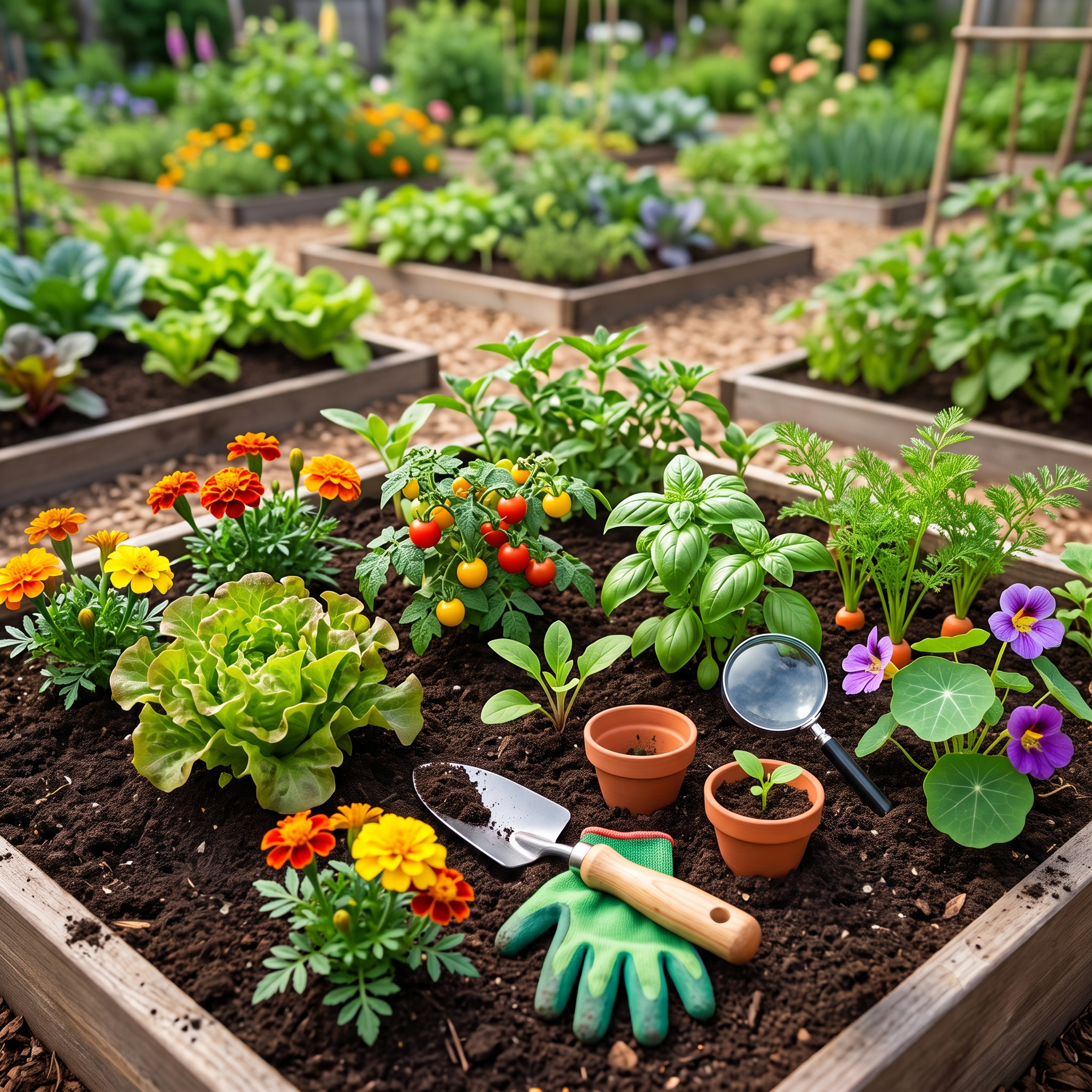
Plants & Garden Detectives Kids Garden Class
Join us at the Arvada Community Gardens’ discovery Patch for a fun morning spent in the dirt. Kids will work on observation skills and learn to identify plants.
Nourishing Ourselves, Nourishing Our Community
takes a look at how garden grown food supports both personal health and community well-being. We’ll discuss key nutrients in seasonal produce, simple and creative ways to prepare your harvest, and how the Arvada Community Gardeners help support nearby food deserts.
This class is led by Noel Nelson, a Nutrition Therapist and Natural Food Chef who blends nutrition education with community outreach through her work with the Arvada Veggie Van.
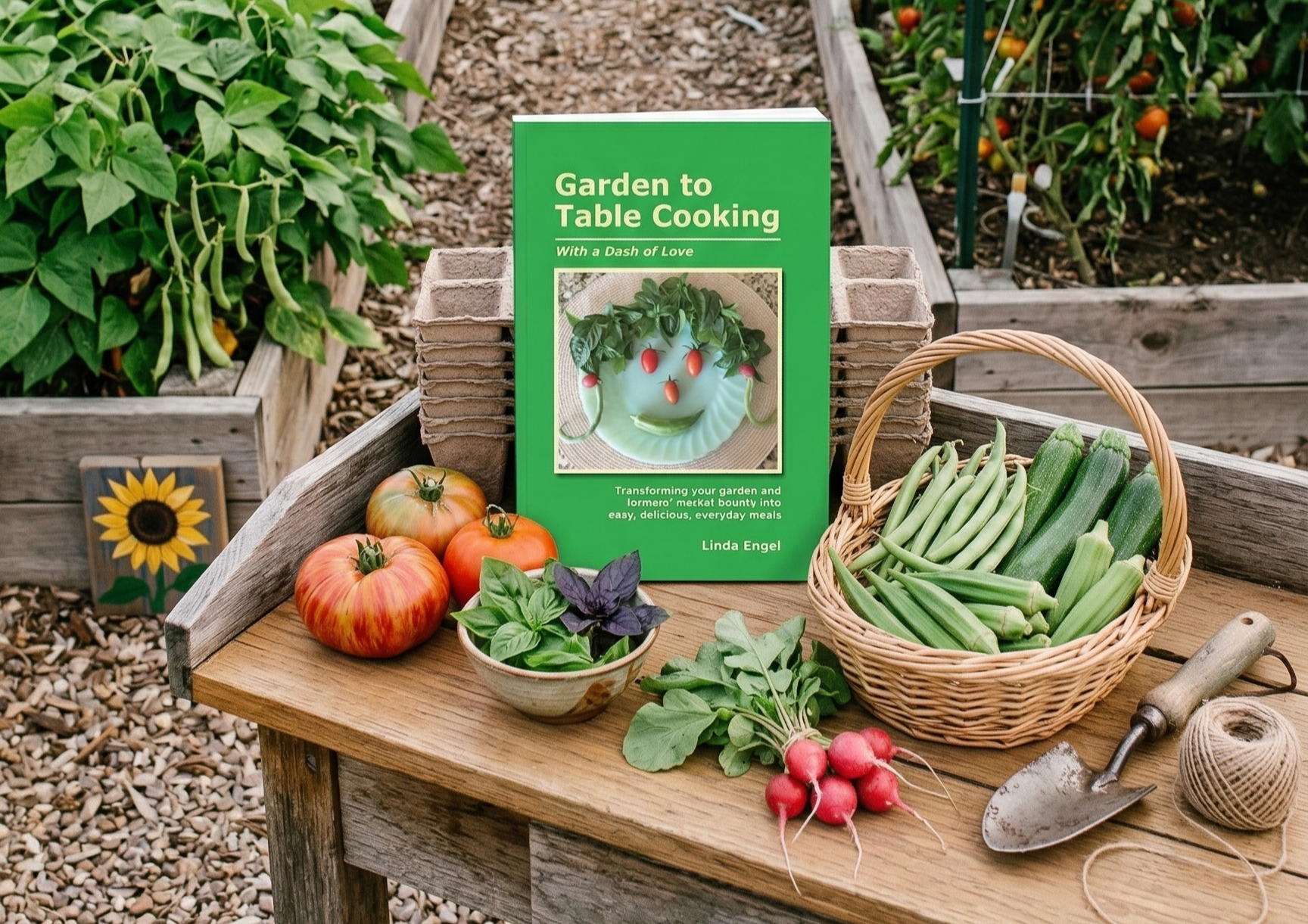
“Garden to Table” - Recipes by Local Cookbook Author, Linda Engel
Linda Engel will talk about how she transforms her garden bounty into easy, delicious, everyday meals and brings the growing season’s flavors to the table year-round.
She will share how her love for gardening evolved into her award-winning cookbook, Garden to Table Cooking. The book will be available for purchase, and you can enjoy snacking on a couple of the recipes made by Community Garden member Linda Forney.
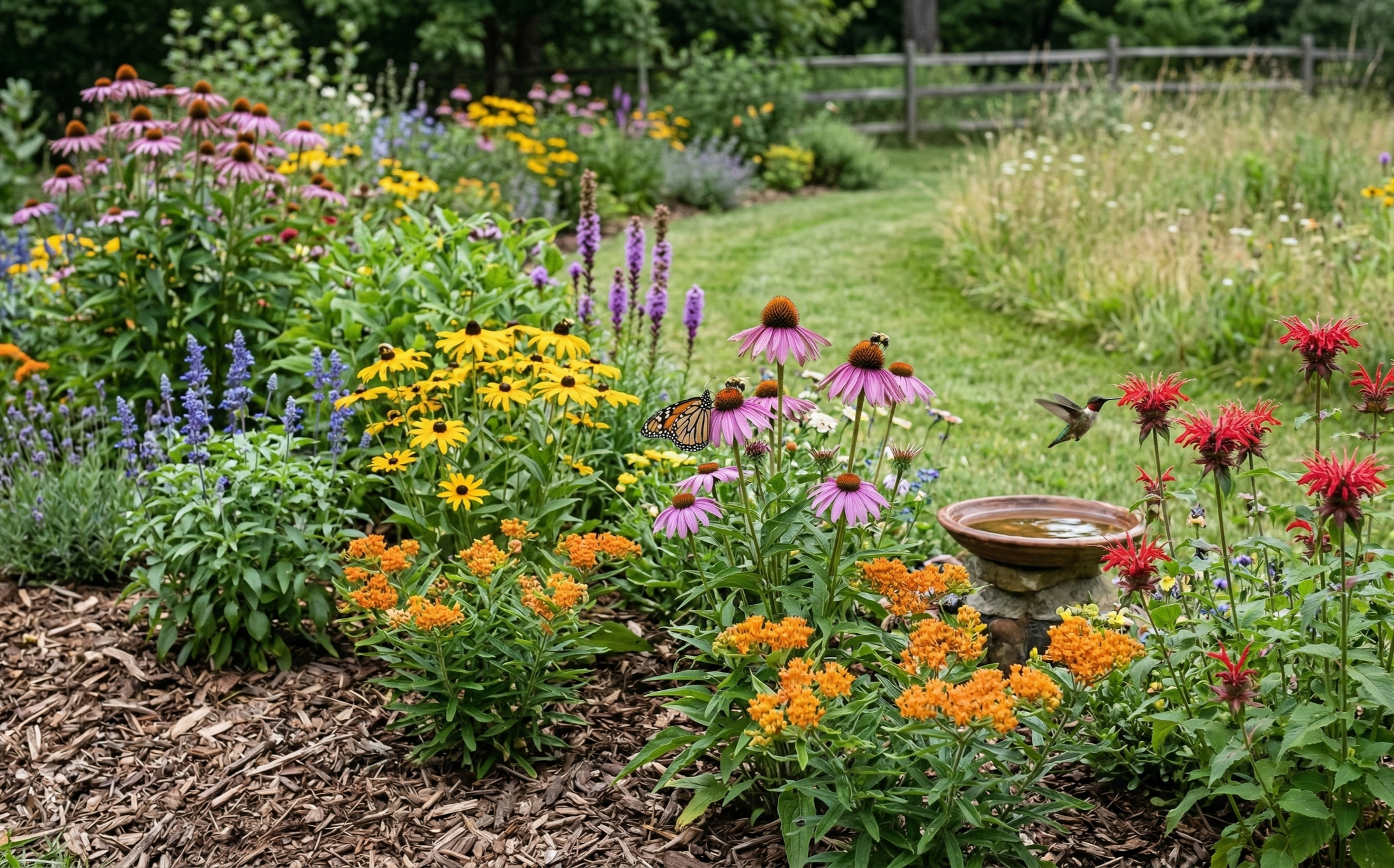
Supporting Pollinators in Your Garden
What can you do to maximize pollinators in your garden? Did you know that beyond bees, birds and butterflies are also pollinators? Learn how you can use mulch, mowing, and plant selection to create beauty, improve health, and have a pollinator paradise in your yard.
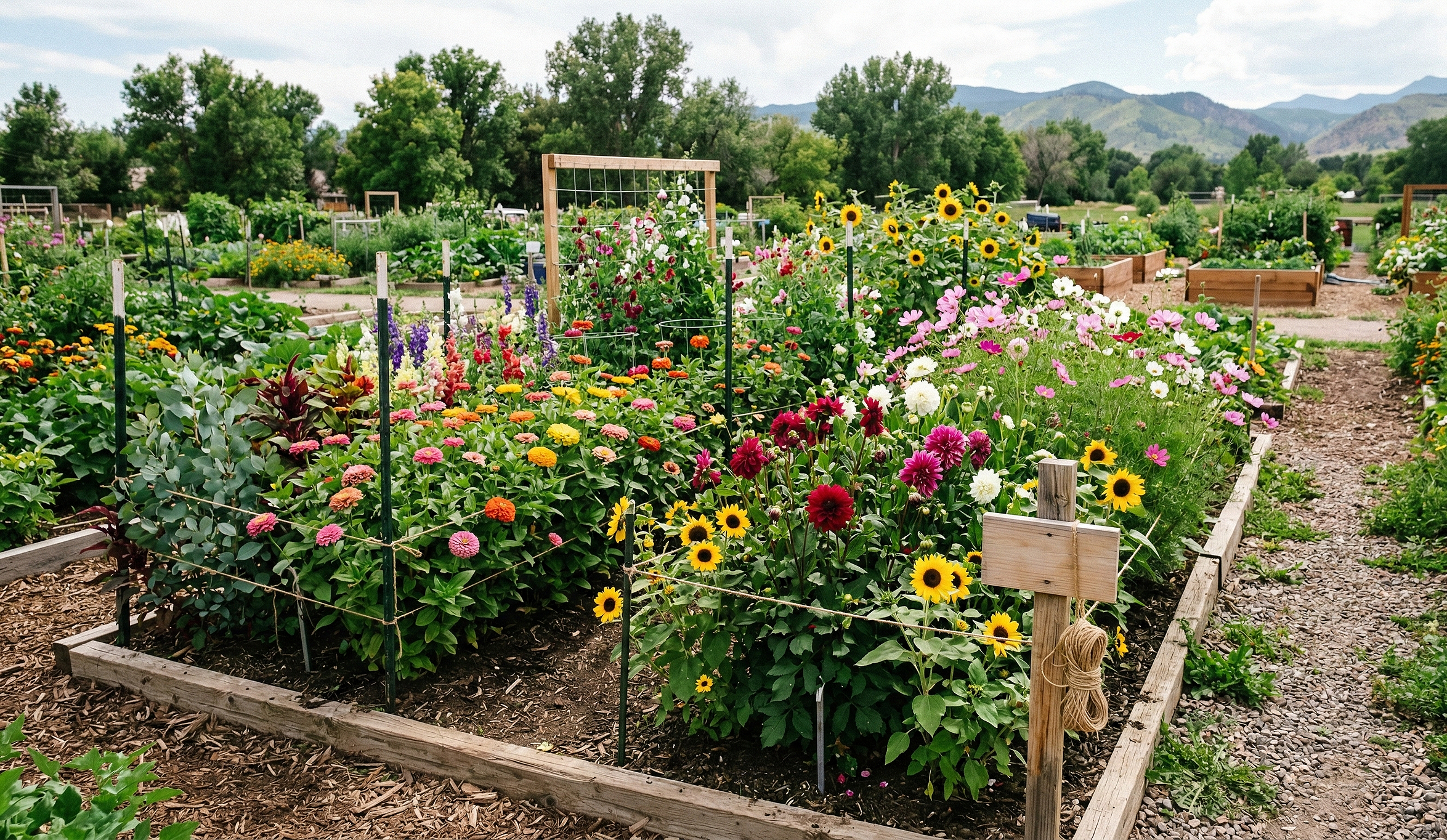
Growing a Cutting Garden
The garden season is getting underway. There are many annual plant varieties available at this time. We'll discuss other plants (perennials, and shrubs) which also make great additions to a cutting flower bed. We'll look at ideal soils and layout for the bed.
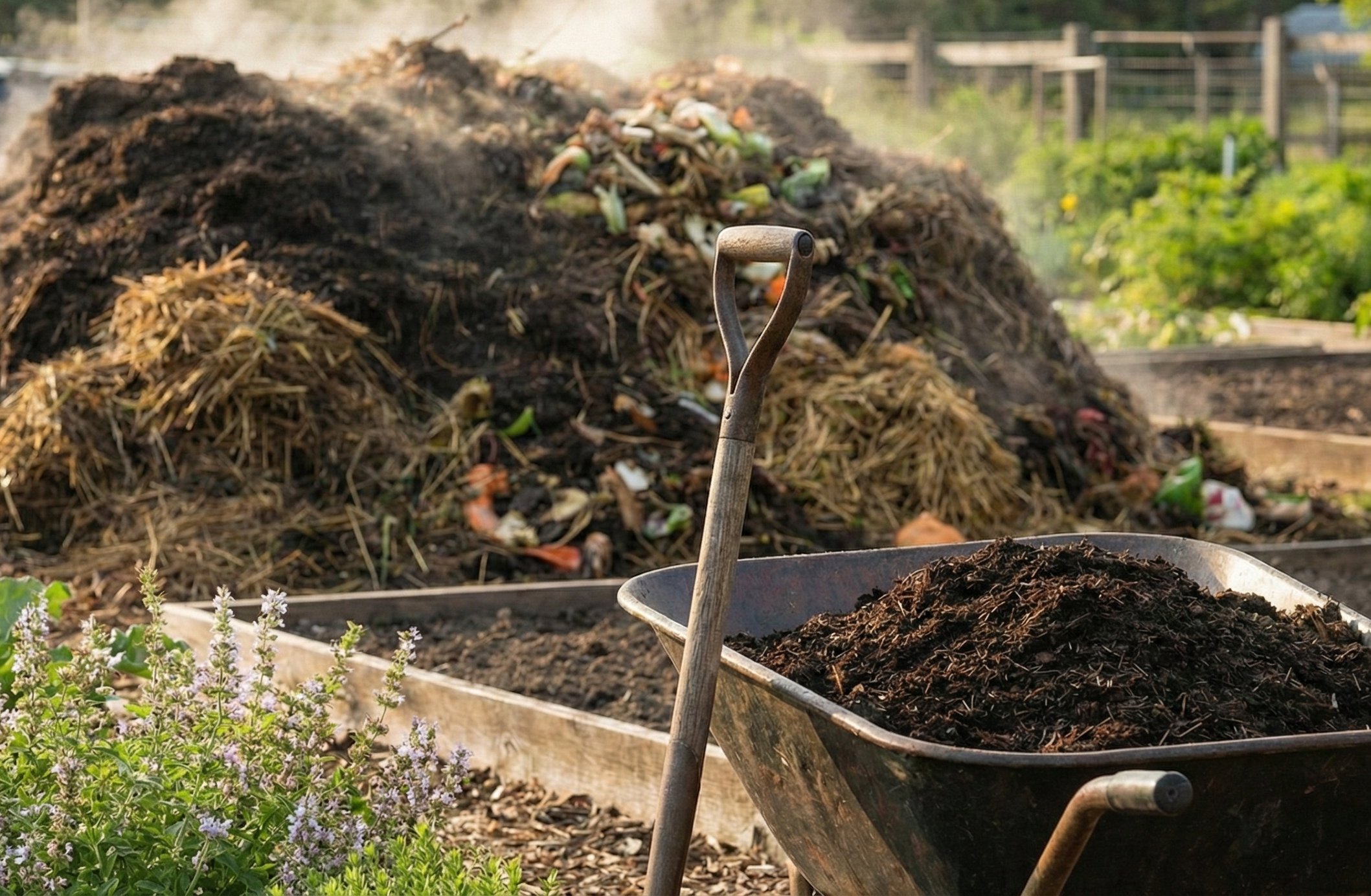
Composting
Composting is harnessing the natural process of decomposition to create nutrient-rich organic material that can be used to develop healthy garden soil. Come join in a discussion of the fascinating topic. Rick Miller AG
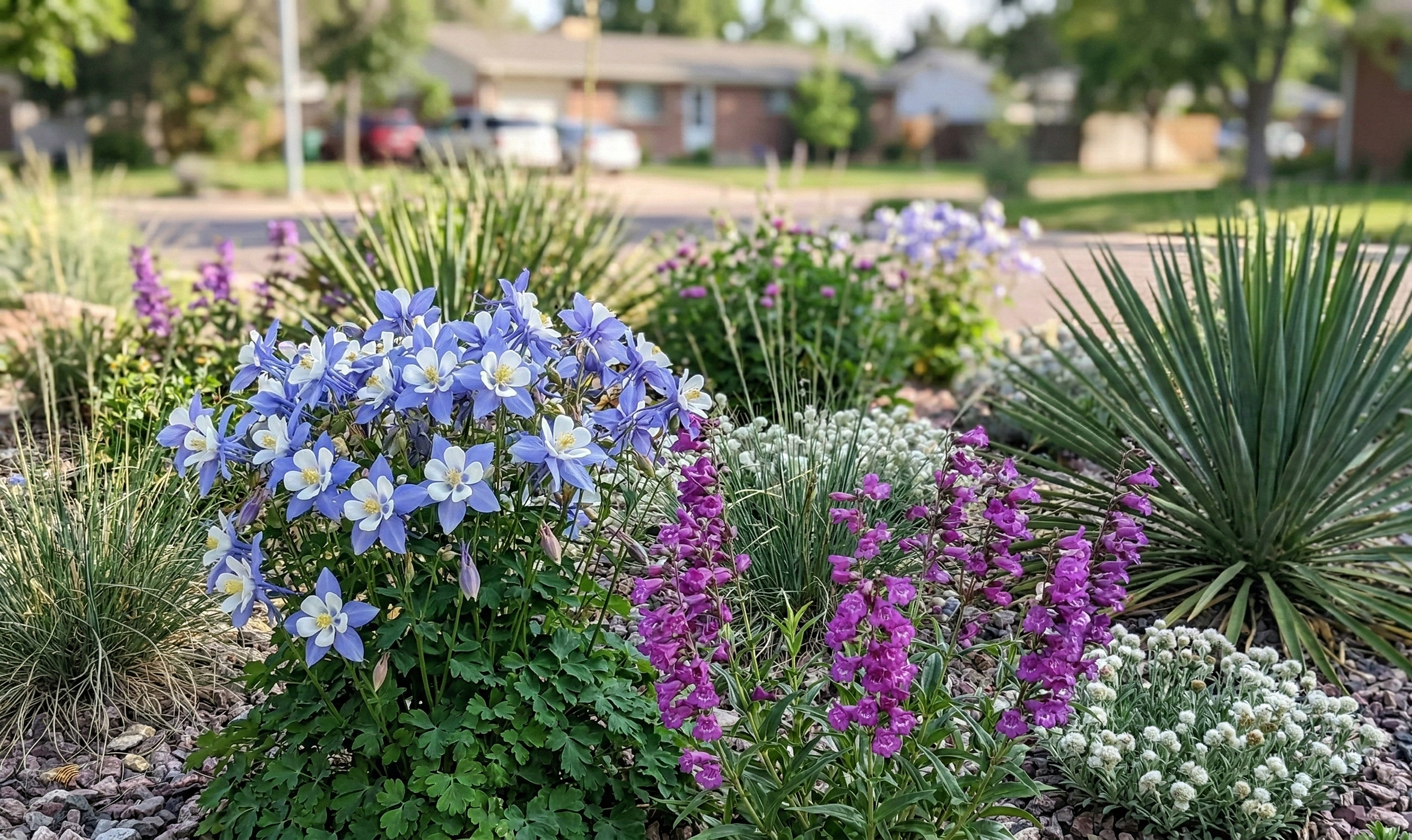
Garden Plants & Their Evolutionary Relationships
How does understanding the evolutionary relationships among garden plants inform our practices. The plant families and their characteristics related to plants we grow in the garden will be discussed. Rick Miller AG
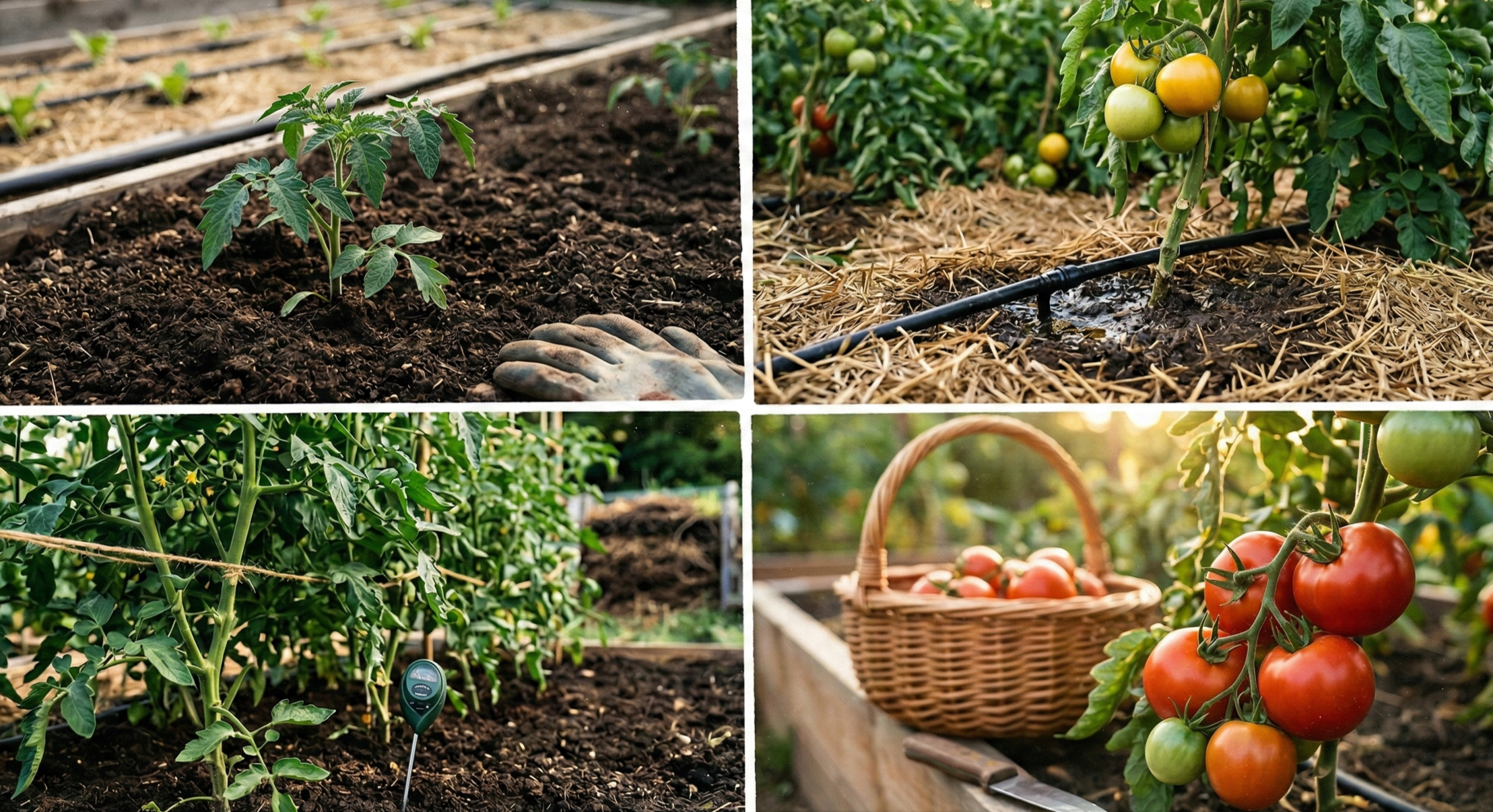
Tomato Talk
Learn from a master gardener how to grow better tomatoes. Tomato problems stem from three main sources, what are these and how can you prevent them? Learn the best practices for happy tomatoes and happy growers. Learn about other considerations when wrapping up the season, Kerry Poppe, Jeffco Master Gardener.
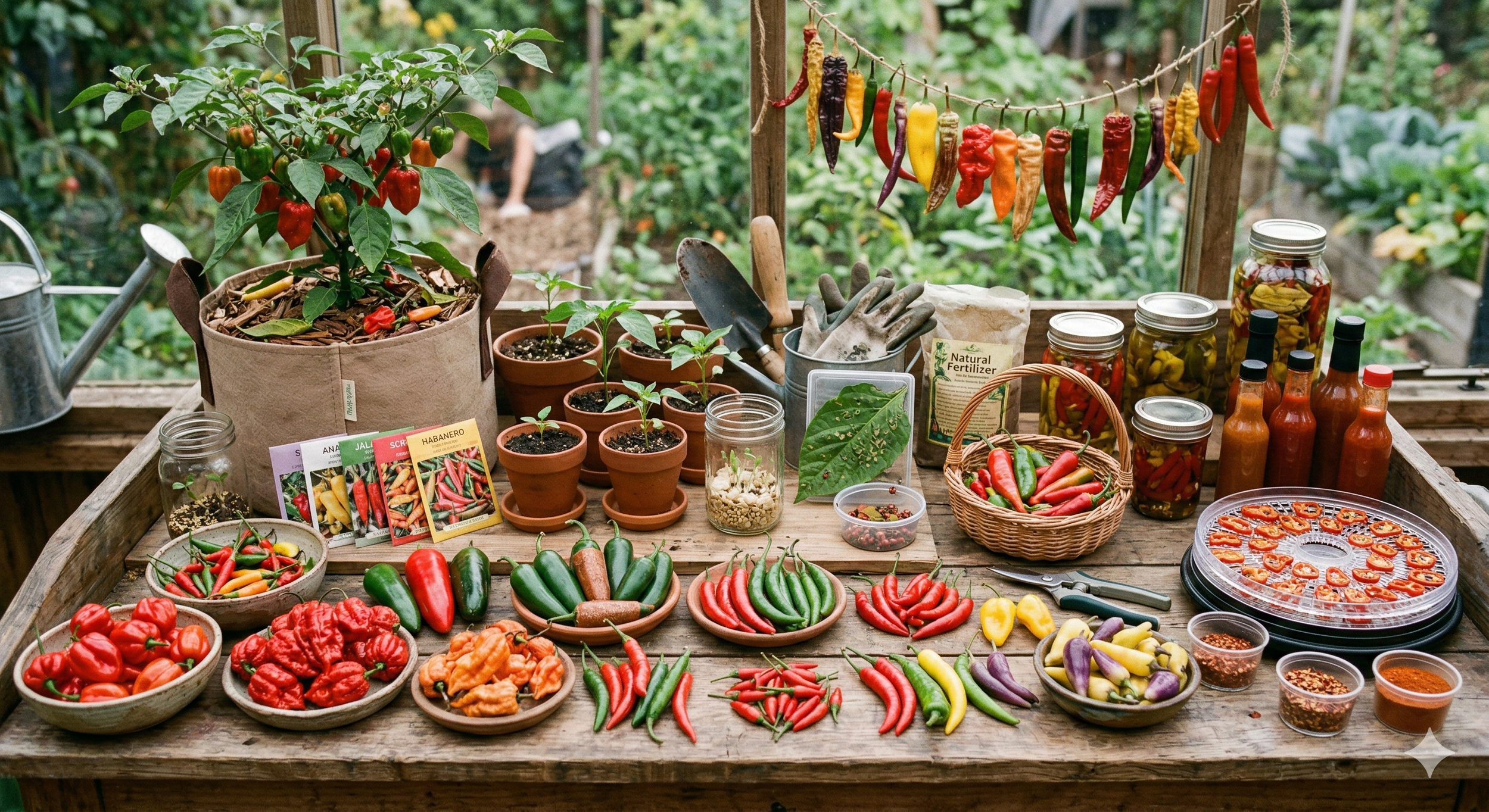
Chili Peppers
Everything you wanted to know about Chili Peppers: history, why they are hot, different types and varieties, starting from seed, how to grow, pests and problems, harvesting, preserving and take home a free sample pepper plant. Bill Orchard CMG & AG
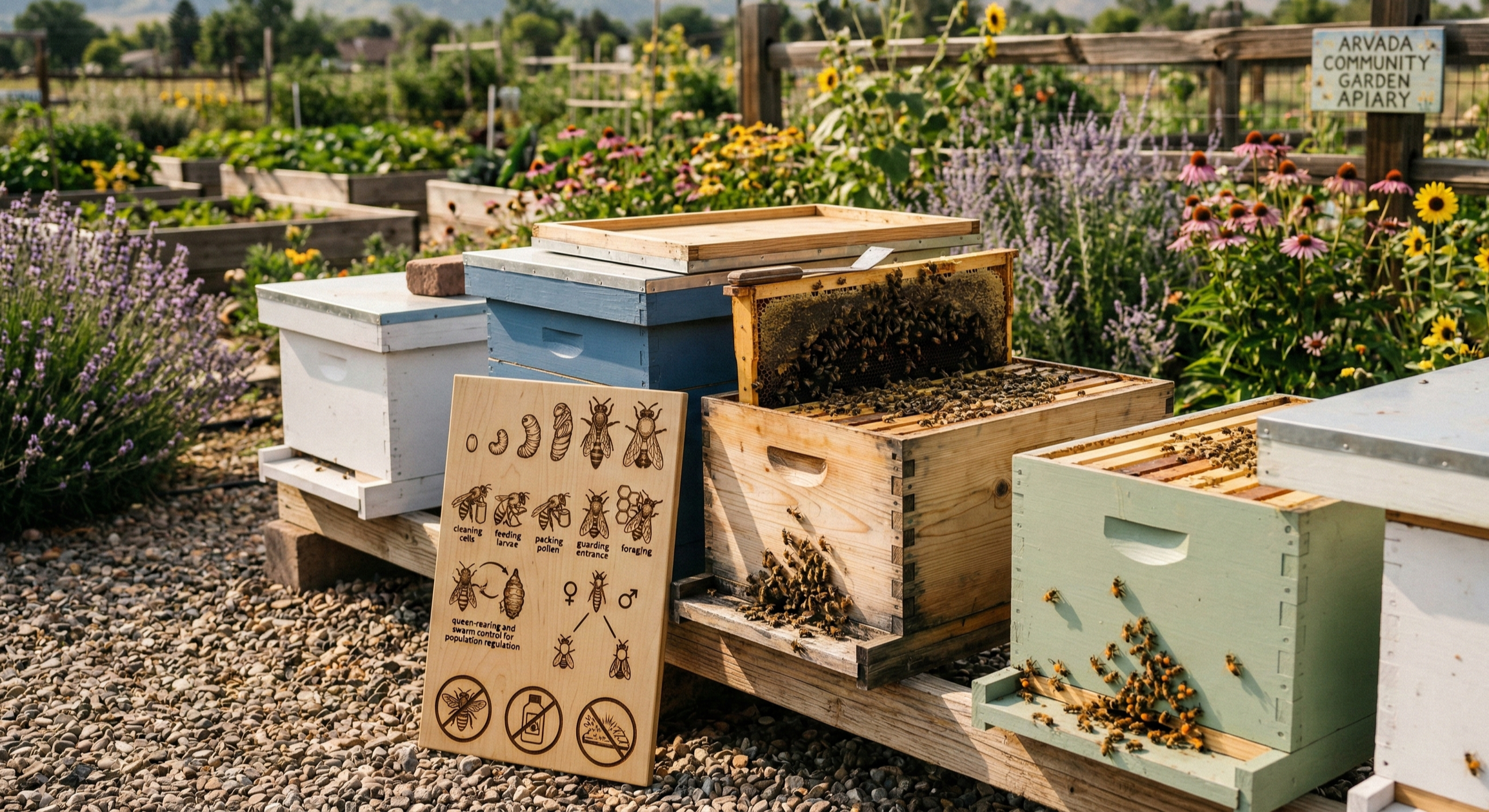
Beekeeping
Learn from Arvada Community Garden beekeepers all about hives and beekeeping. You will learn the life cycle of the European honey bee, and the many unique jobs bees perform in and outside of the hive. Learn how new bees regulate the population of the hive. How is it that a drone can have a mother, a grandmother, a grandfather, but never a father? Learn the current health hazards that threaten the future of honey bees. John Baltich CMG
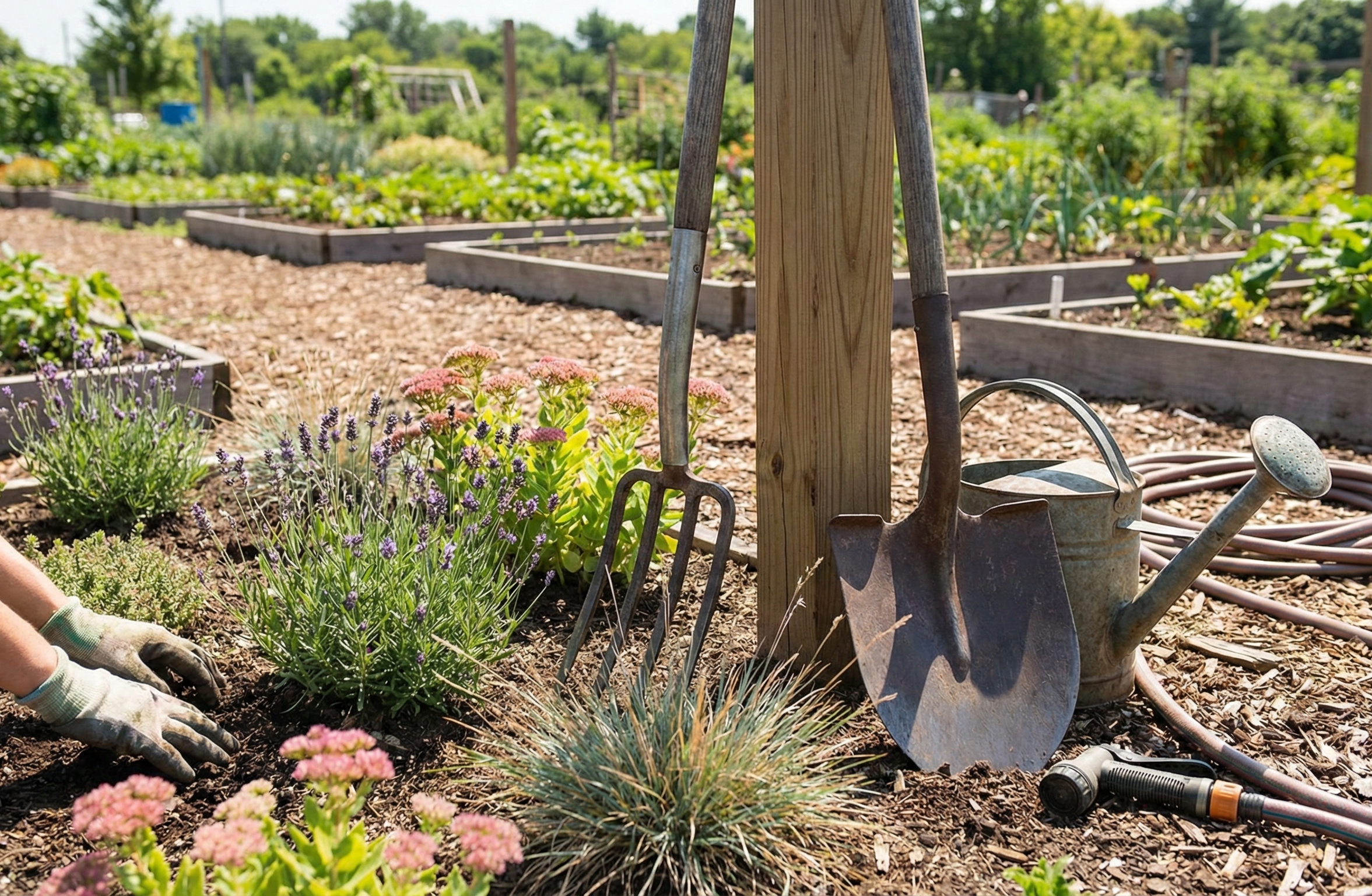
Water Conservation
Water conservation programs are designed to change water use behavior, introduce improved water fixtures and achieve water savings both short term and long term. Class will show you how to conserve water outdoors in your garden, your lawn and your landscape. Bill Orchard CMG AG
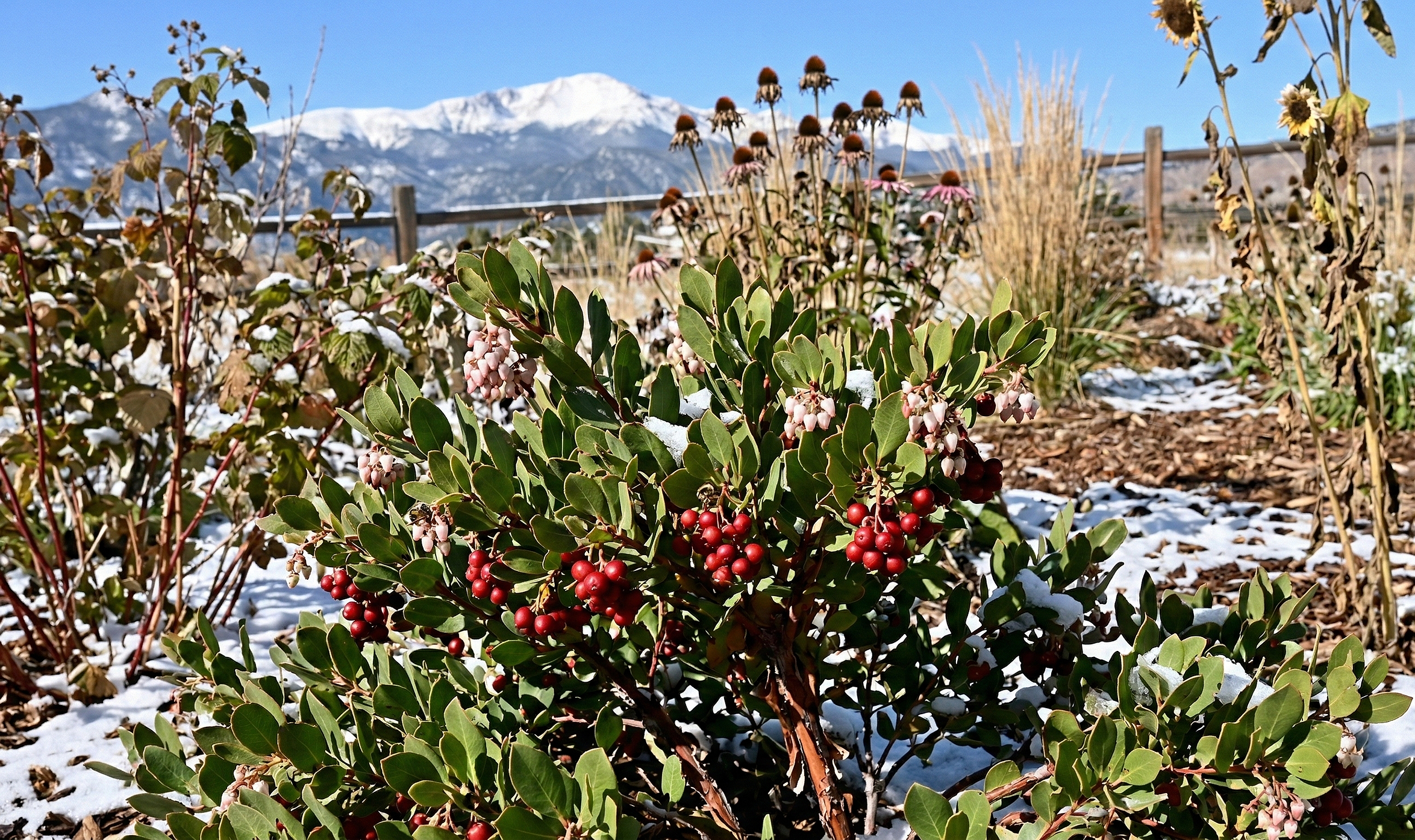
Growing Food & Year-Round Color
Can you grow food and have a beautiful garden? Yes! Many food crops need pollinators, yet the flowers on the crops themselves are often not enough to support the pollinators. By designing your garden to contain both food and year-round color, you ensure not only beauty, but a continuous supply of pollen for the pollinators on which much of our food depends. You can even incorporate both flowers and color in winter with one native plant. Amy Johnson
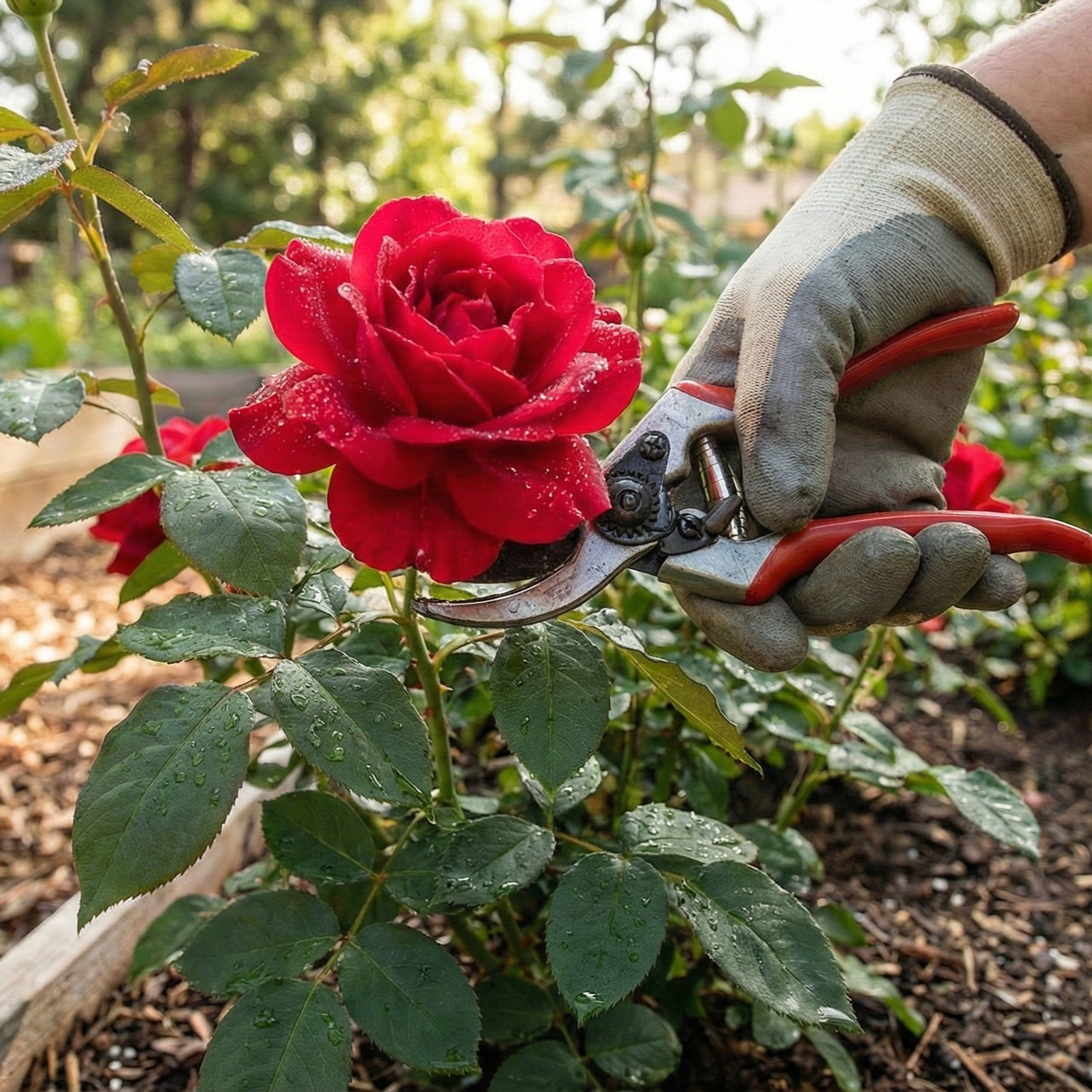
Rose Care
Roses do well in our area but not everywhere in the garden. Learn where to plant roses, how and when to prune roses, and everything else to give you strong, healthy roses. Rick Miller & Sally B. AG
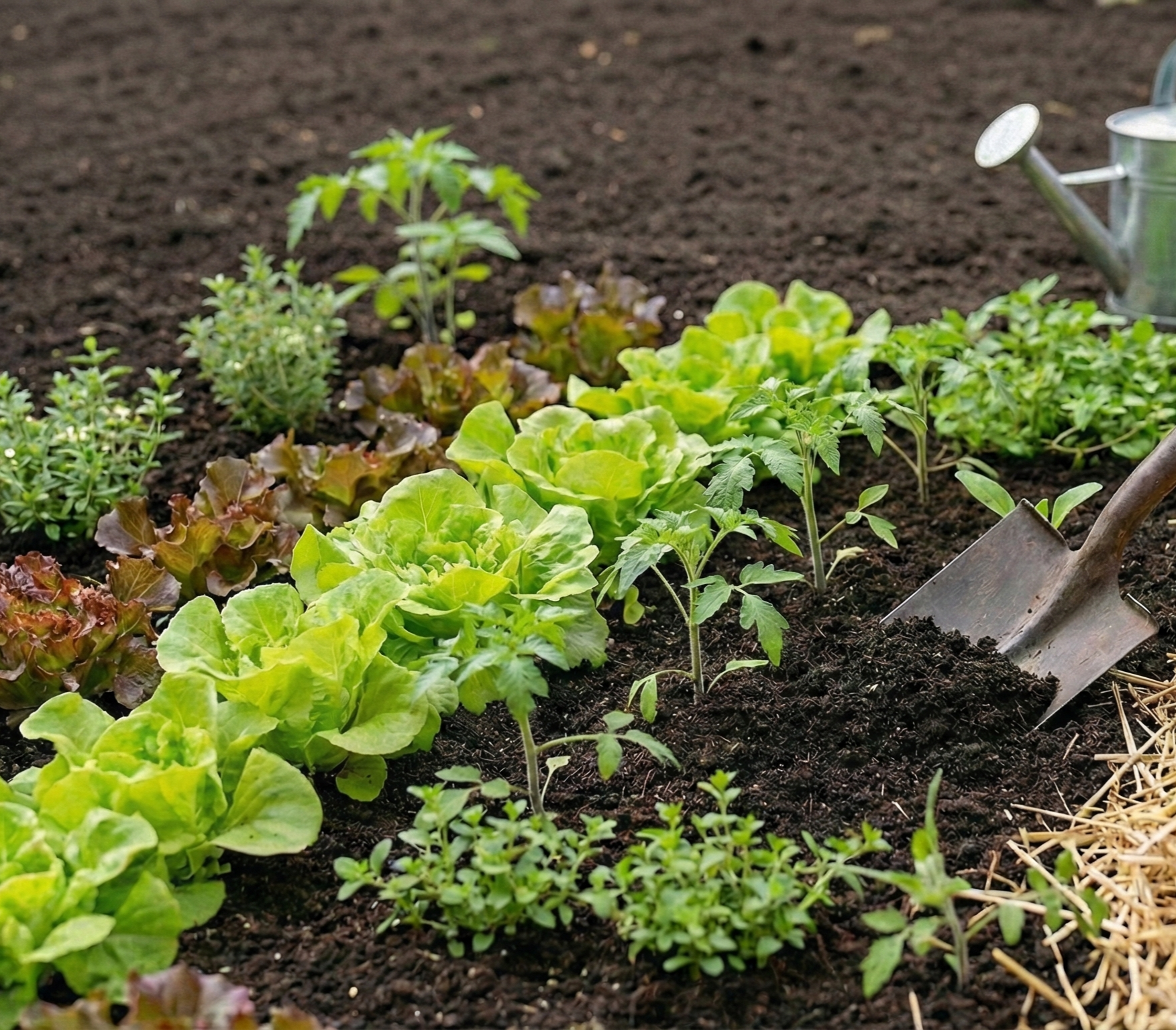
Gardening for Beginners
A class for the beginner gardener. Class will cover location, soil improvement, watering, organization, layout, in ground, raised bed or containers, cool and warm season vegetables, when to plant, mulch and compost, seeds vs transplants, pest and disease management and harvesting. Bill Orchard CMG & AG
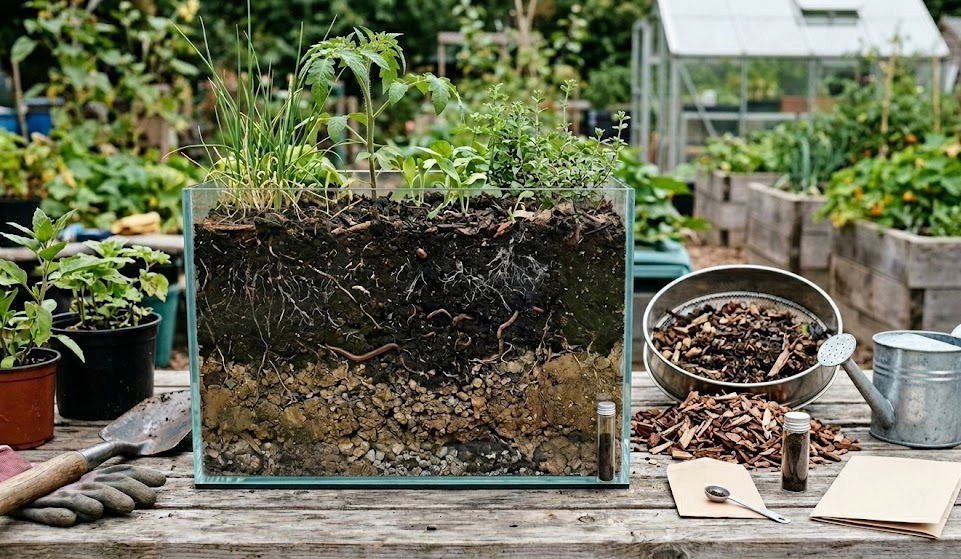
Soil: A Firm Foundation
In this presentation we will discuss what is going on underneath our feet. We'll define what is a healthy soil biome. How do we revitalize soil that is lacking the nutrients to grow the best plants? How do compost, mulch and water play a part in this process? Is it time to have a soil test performed on your property and the benefits of incorporating the test results.
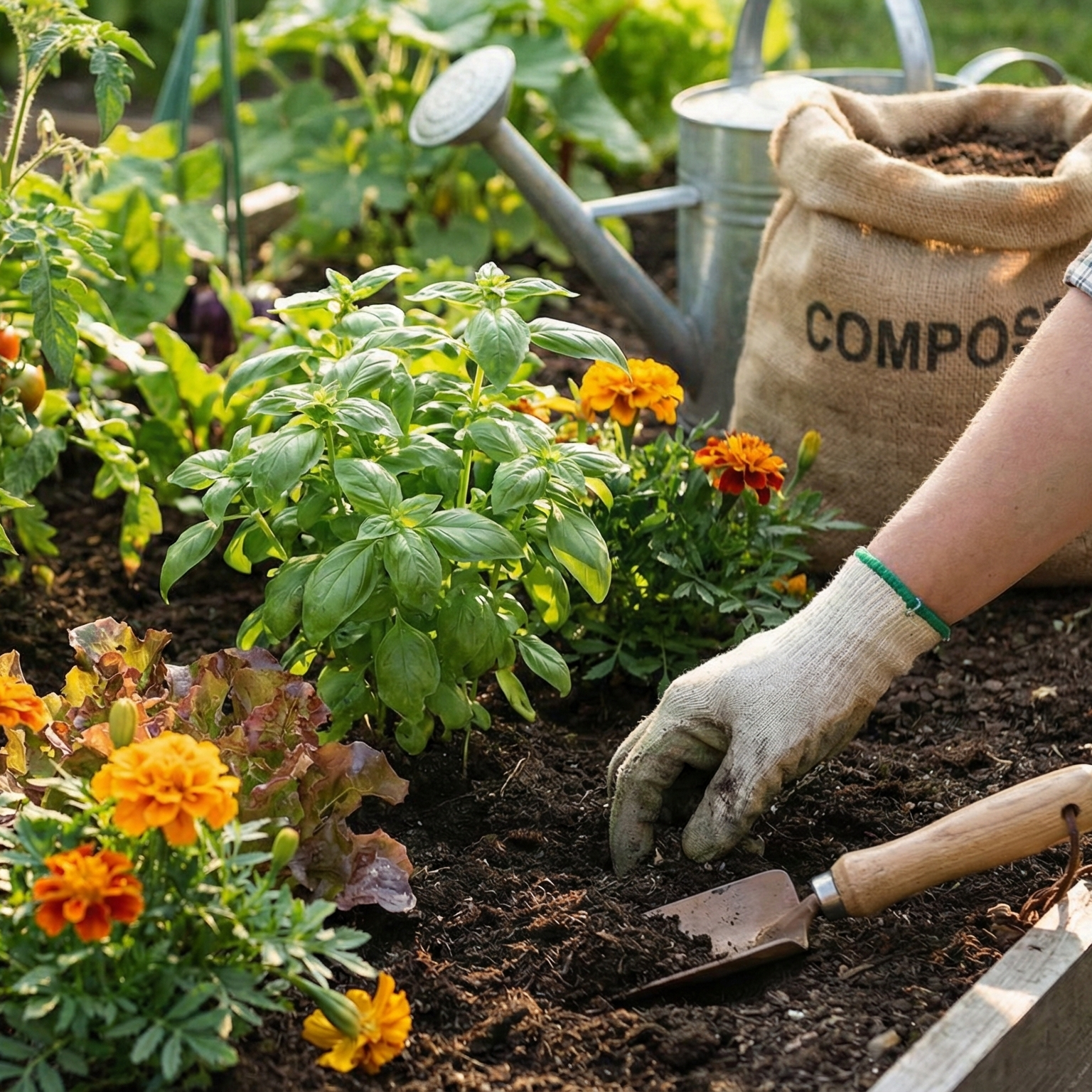
Organic Gardening
What are the benefits of organic gardening? We will discuss soil, plants, and pest management from an organic gardening perspective. Rick Miller AG
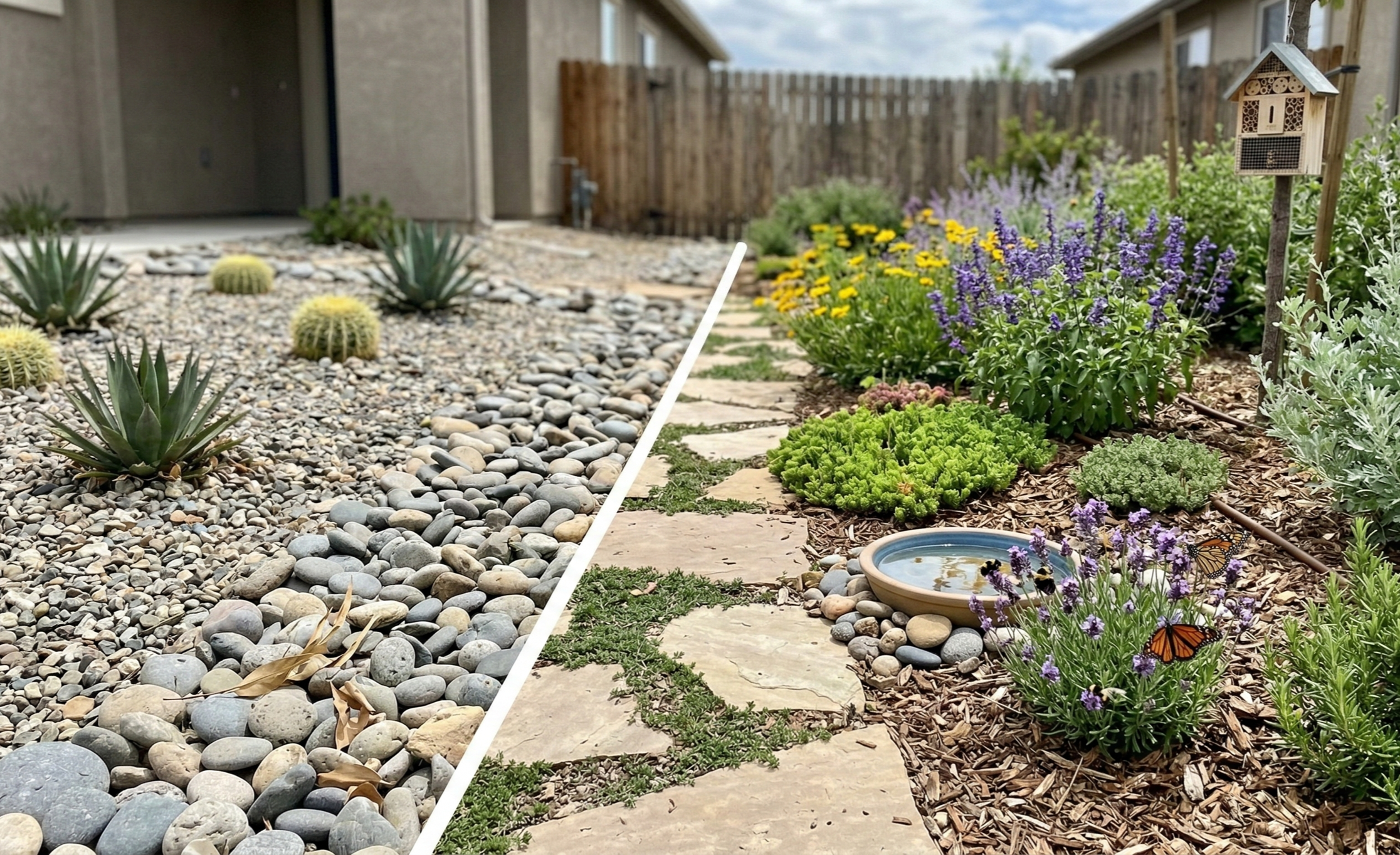
Xeriscapes, Zeroscapes, & Pollinators
Do you pronounce the first two words in this title the same way or think they mean the same thing? Learn the differences between what most people think of as "zero-scapes" and true xeriscapes and how to ensure you include support for pollinators. You will also learn when some native plants are good to use in xeriscapes and when non-native plants may be appropriate. Amy Johnson
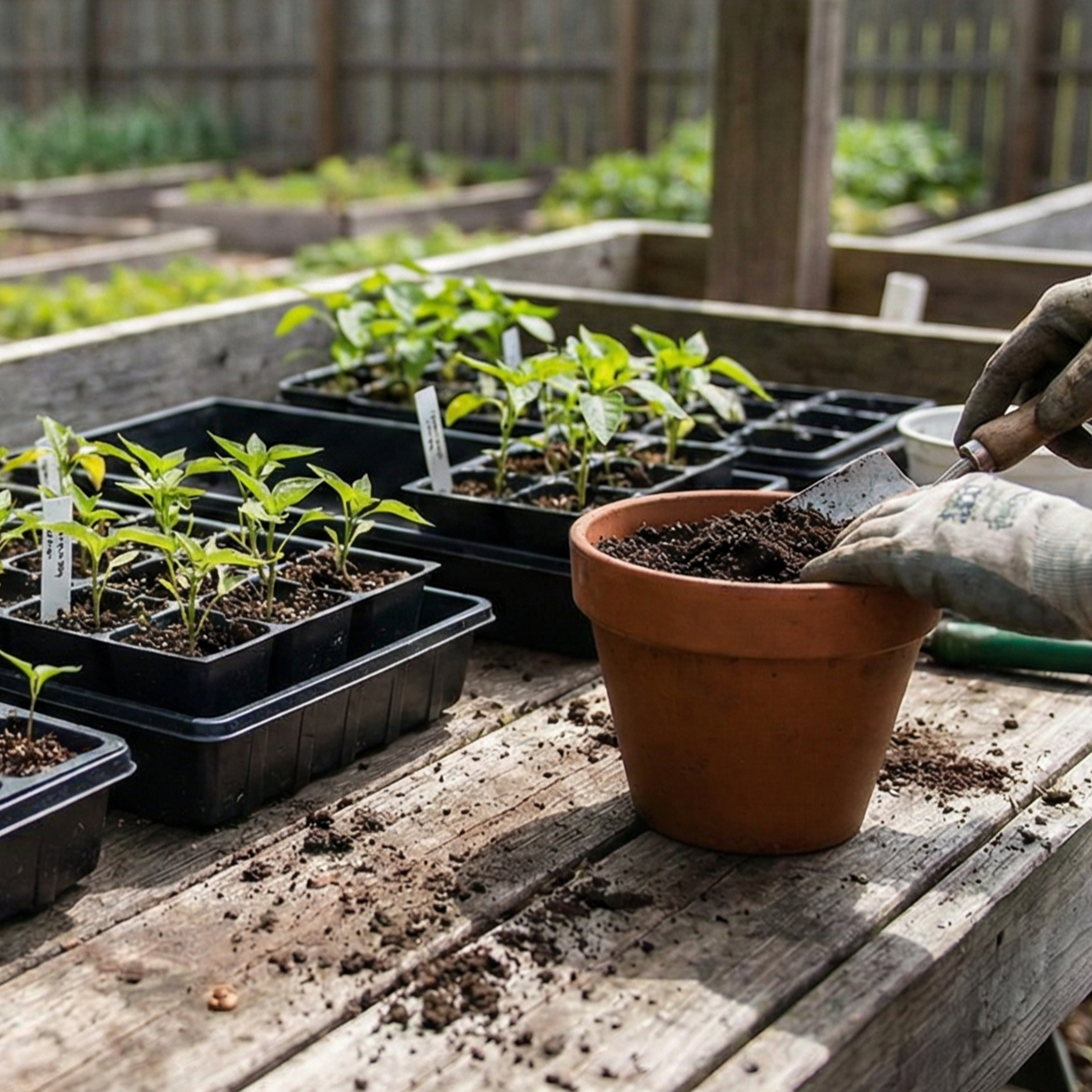
Starting Plants from Seed
How to start plants from seed, including onions, tomatoes, peppers, cole crops. Includes selection of potting soil, containers to use, germination, lighting, watering, fertilizing, hardening off and final planting. Each participant will receive some planting materials and transplanting tools. Bill Orchard CMG & AG
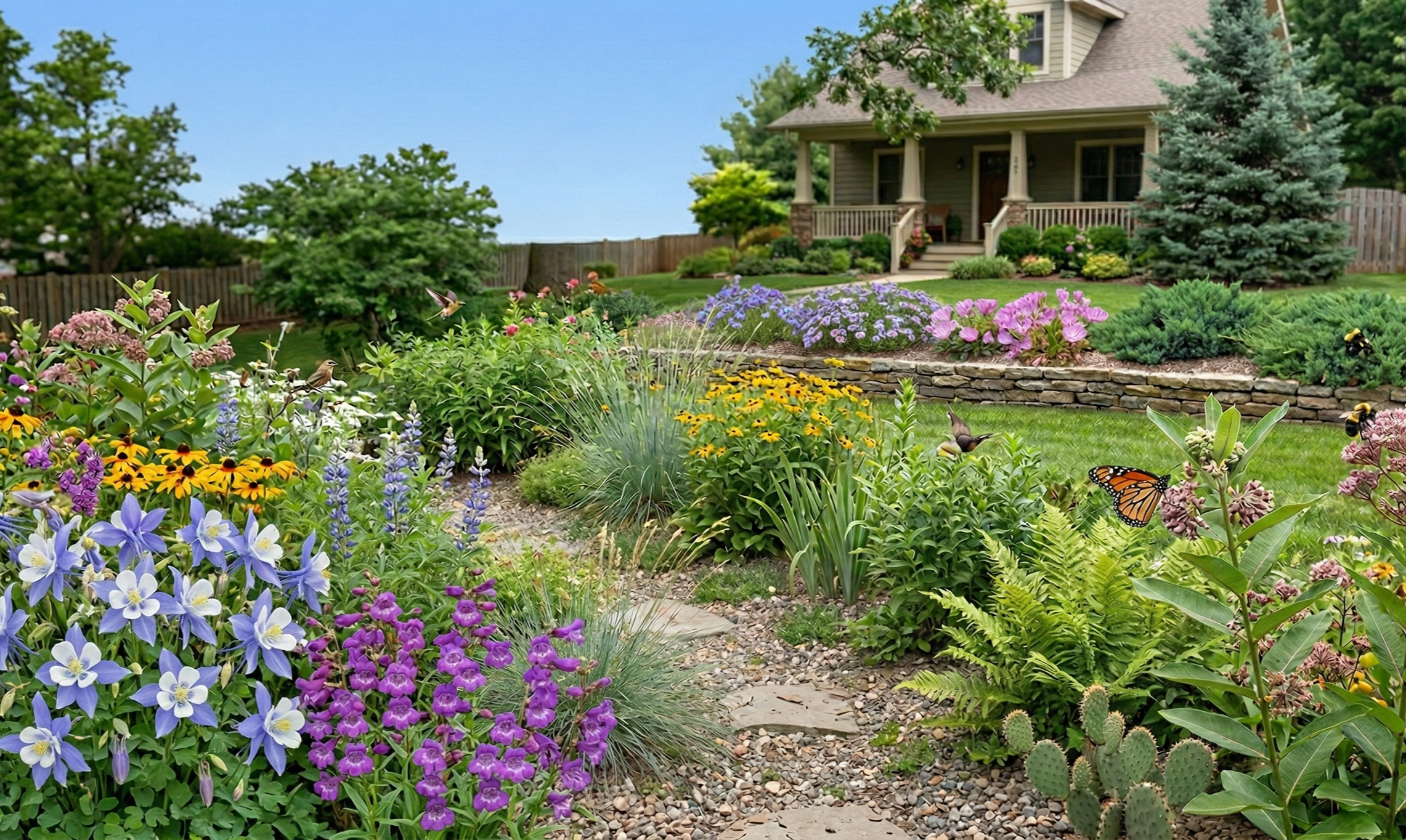
Native Plant Gardening
There is a growing interest in including native plants in gardens. How is native plant gardening different from growing ornamentals? We will discuss how best to care for wild plants and what to expect from these beauties. Rick Miller AG